NPLI at the Nature Action Dialogues

Last month at the Nature Action Dialogues in Cambridge, something felt different. The conversation on corporate action for nature is maturing from narrow discussions about value chain geography to genuine ambition around understanding and managing the broader landscapes we all depend on.
As someone who has spent most of their career in systematic conservation planning, this shift is deeply exciting.
Over the past 30+ years, our field has done extraordinary work. We've connected landscape ecology with conservation principles — species representation, habitat connectivity, cost-effectiveness. We've mapped, predicted, and monitored the natural world using increasingly powerful tools. We've embedded operations research to help optimise competing land-use objectives. And working alongside colleagues in the human and social sciences, we've built planning processes that are more inclusive, more equitable, and more representative of different values, knowledge systems, and world views.
The foundational question driving all of it? How much habitat, and in what condition, does nature need to persist in the face of mounting pressure? The answer underpins everything from population biology to the global goal of 30x30.
Now, as companies begin to recognise the value of acting across landscapes — beyond the operational footprint — it's critical that this body of knowledge is made accessible to a wider audience. There is no need to reinvent the wheel.
Good landscape plans, grounded in the principles and discipline of systematic conservation planning, is not just useful for achieving Nature Positive outcomes. It's essential.
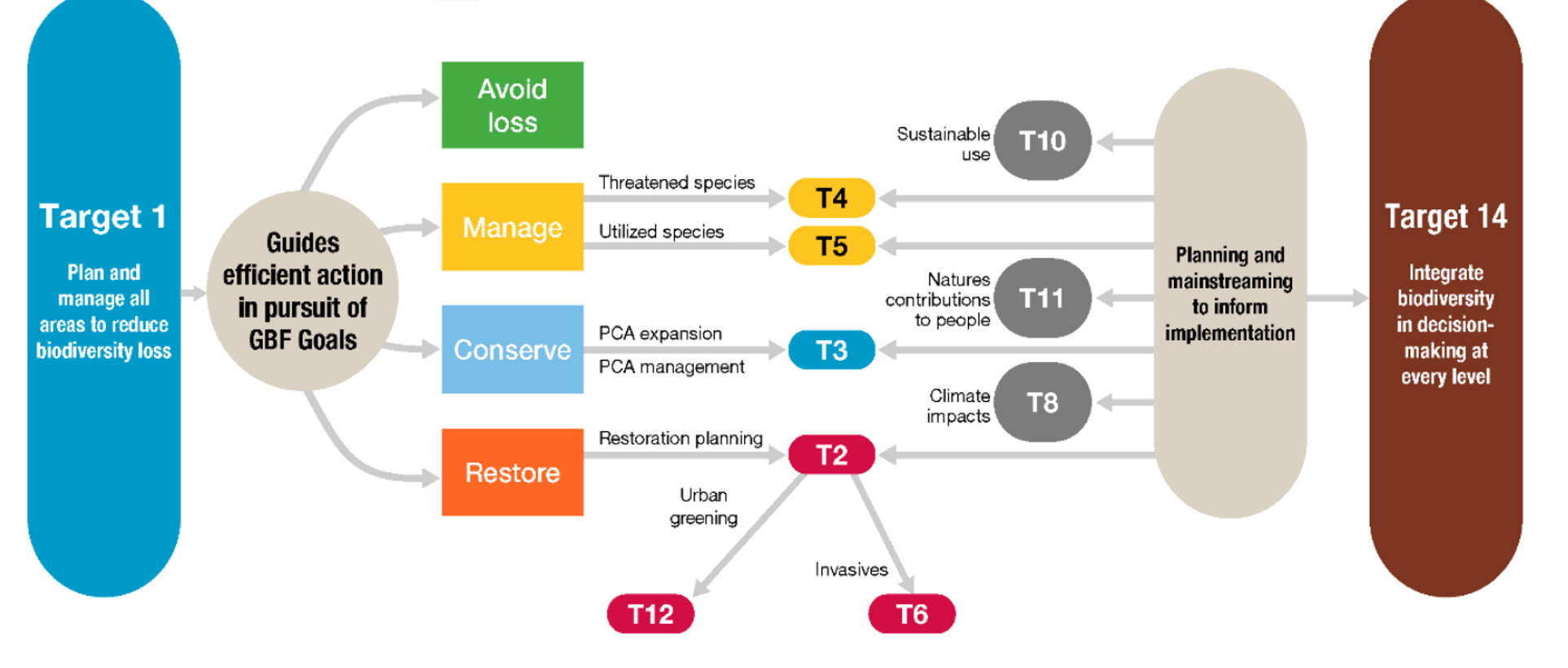
That's why our IUCN WCPA Task Force on Target 1 of the Global Biodiversity Framework developed a research paper reinforcing the case that the science and methods already exist. What we need now is translations for new audiences and adoption.
To find out more about the paper or to speak to the NPLI team please get in touch